
Labs

Ingemar Andre
Lund University
Protein modeling, symmetric protein complexes, self-assembly, computational design, structural biology.
About:
Large protein complexes self-assemble into functional structures. This research develops computational methods to predict and design novel protein assemblies, advancing structural biology and protein engineering. Experimental validation ensures accuracy, applying self-assembly principles to both natural and synthetic systems.

Chris Bahl
AI Proteins
De novo protein design, peptide design, protein interactions, protein engineering, biologic drugs, drug discovery, high-throughput science, laboratory automation.
About:
This research focuses on designing novel proteins and peptides for drug discovery and biologic therapeutics. By engineering proteins to enhance or modify their properties, it advances protein-based medicine. A key emphasis is placed on high-throughput science and laboratory automation, accelerating the development of innovative protein-based tools and therapies.

David Baker
University of Washington
De novo protein design, hyperstable proteins, vaccine design, RFdiffusion, protein structure, enzyme catalysis, self-assembling nanomaterials, drug delivery, Top7, Nobel Prize.
About:
This research pioneered de novo protein design with TOP7 and developed principles for designing hyper stable proteins with diverse folds. Stabilizing pathogen epitopes enables computational vaccine development. The lab's RFdiffusion model advances protein design, creating complex structures. Ongoing work includes designing novel enzymes and self-assembling nanomaterials for drug delivery and vaccines.

Patrick Barth
EPFL Lausanne
Transmembrane proteins, ligand-receptor interactions, signaling pathways, computational modeling, protein design, membrane biology.
About:
This research focuses on modeling and designing transmembrane proteins to understand how ligand-receptor-effector systems transmit signals across membranes. By integrating computational and experimental approaches, it aims to reengineer signaling pathways and quantitatively define the principles governing these networks, advancing our understanding of membrane protein function and design.

Gaurav Bhardwaj
University of Washington
Peptide drug design, computational modeling, antibiotics, antivirals, anti-cancer peptides, cellular permeability, oral bioavailability, machine learning.
About:
This research develops computational and experimental methods to design therapeutic peptides with high specificity and stability. Focus areas include designing antibiotics, antivirals, and anti-cancer peptides, as well as enhancing cellular permeability and oral bioavailability. Machine learning-based approaches are also employed to generate peptides with diverse structures and functions.

Sinisa Bjelic
Linnaeus University
Molecular modeling, protein design, small-molecule therapeutics, ROSETTA, molecular dynamics, docking, biochemistry, drug discovery.
About:
This interdisciplinary research integrates computational modeling and experimental validation to design proteins and small molecules with therapeutic potential. Using methods like ROSETTA, molecular dynamics, and docking, interactions between designed molecules and drug targets are predicted. Experimental techniques, including protein expression, purification, and molecular interaction analysis, validate these designs to advance drug discovery.

Phil Bradley
Fred Hutchinson Cancer Center
Molecular recognition, structural modeling, protein-DNA interactions, protein-peptide interactions, Rosetta, molecular modeling algorithms.
About:
This interdisciplinary research integrates computational modeling and experimental validation to design proteins and small molecules with therapeutic potential. Using methods like ROSETTA, molecular dynamics, and docking, interactions between designed molecules and drug targets are predicted. Experimental techniques, including protein expression, purification, and molecular interaction analysis, validate these designs to advance drug discovery.

Ben Brown
Vanderbilt University
Protein dynamics, signal transduction, enzyme catalysis, molecular recognition, AI-driven drug design, induced-fit modeling, virtual screening, disease mutations.
About:
This research explores how protein dynamics influence biological function, disease, and drug response. By integrating physics-based and AI-driven methods, the lab designs small molecules targeting flexible proteins. Key areas include modeling large-scale induced-fit changes for high-throughput virtual screening and analyzing disease mutations to guide therapeutic decision-making in collaboration with clinicians.

Christopher Bystroff
Rensselaer Polytechnic Institute
Protein folding, protein design, green fluorescent protein (GFP), fluorescent biosensors, molecular dynamics, biophysical analysis, X-ray crystallography.
About:
This research explores protein folding pathways to improve protein design algorithms. A major focus is on green fluorescent protein (GFP), studying its folding and dynamics to develop programmable fluorescent biosensors for detecting peptides and proteins. The lab develops high-performance computational software and validates designed molecules through biophysical analysis and X-ray crystallography.

Zibo Chen
Westlake University
De novo protein design, molecular computing, protein circuits, self-assembly, Rosetta, programmable biomolecules, supramolecular structures, cellular functions.
About:
This research programs biological behaviors by designing de novo proteins for molecular computing and programmable self-assembly. Protein circuits are engineered to control cell functions, while self-assembling proteins form structures like cages and crystals for studying and modifying cellular processes. Using Rosetta, the lab customizes protein functionalities at the molecular level for both fundamental research and real-world applications.

Seth Cooper
Northeastern University
Foldit, citizen science, crowdsourcing, protein structure prediction, protein design, human-computer collaboration.
About:
This research leverages citizen science and crowdsourcing through Foldit, a video game that enables players to contribute to protein structure prediction and design. By exploring human-computer collaboration, the lab investigates how collective problem-solving can advance scientific discovery and address complex challenges in structural biology.

Jacob Corn
ETH Zurich
Genome editing, gene regulation, DNA repair, hematopoietic stem cells, ubiquitin signaling, cellular biochemistry, translational research.
About:
The Corn Lab develops genome editing and regulation technologies for both fundamental research and therapeutic applications. Key focus areas include DNA repair mechanisms, hematopoietic stem cell maintenance, and ubiquitin signaling in cellular communication. Through technology development and mechanistic biochemistry, the lab aims to unravel complex cellular processes to advance biological understanding and improve human health.

Bruno Correia
EPFL Lausanne
Protein design, functional proteins, therapeutics, vaccines, biosensors, synthetic biology.
About:
The Correia Group designs novel functional proteins to expand nature's capabilities for practical applications, including therapeutics, vaccines, and biosensors. By engineering proteins with tailored properties, the lab advances synthetic biology to address biomedical and biotechnological challenges.

Rhiju Das
Stanford University
RNA modeling, RNA design, nucleic acids, structure prediction, biophysics, RNA folding, computational tools.
About:
This research focuses on modeling and designing RNA to understand how nucleic acids and proteins encode biological functions. By developing computational and chemical tools, the lab tackles RNA structure prediction, explores RNA biophysics, and designs novel RNA shapes and switches for functional applications.

William DeGrado
UCSF
Membrane protein structure, de novo protein design, metalloproteins, chemical biology, neurodegenerative diseases, bacterial sensing, machine learning, drug development.
About:
This research focuses on membrane protein structure and de novo protein design to understand biological processes and develop therapeutics. The lab integrates structural biology, machine learning, and biochemistry to study protein folding, interactions, and drug targeting. Key applications include neurodegenerative diseases, bacterial sensing, and treatments for conditions like COVID-19 and organ fibrosis.

Frank DiMaio
University of Washington
Structure determination, crystal structure refinement, conformational sampling, protein force fields, computational modeling, experimental data analysis.
About:
This research focuses on developing methods for determining protein structures from sparse and noisy experimental data. Key areas include crystal structure refinement, conformational sampling, and protein force field development. By integrating computational modeling with experimental analysis, the lab enhances accuracy in protein structure prediction and refinement.

Kevin Drew
University of Illinois Chicago
Macromolecular assemblies, protein-nucleic acid interactions, biochemical approaches, computational modeling, proteomics, structural biology, human disease.
About:
The Drew Lab studies macromolecular assemblies in cells, focusing on their mechanistic functions and relevance to human disease. Using biochemical, computational, and proteomic approaches, the lab identifies assembly components, determines their 3D structures, and explores ways to modulate their activity for therapeutic applications.

Roland Dunbrack
Fox Chase Cancer Center
Structural bioinformatics, cryo-EM, X-ray crystallography, deep learning, GTPases, kinases, antibodies, cancer biology, precision medicine.
About:
This research applies modern statistical analysis and deep-learning-based structure prediction to study key proteins in cancer biology, including GTPases, kinases, and antibodies. By integrating structural bioinformatics with cryo-EM and X-ray crystallography, the lab enhances the role of structural biology in precision medicine and therapeutic development for cancer research.

Eric Fischer
Dana Farber Cancer Institute
Ubiquitin proteasome system, structural biology, cell biology, high-throughput biology, targeted protein degradation, SPLiNTs, drug development.
About:
The Fischer Lab investigates the ubiquitin proteasome system, which regulates essential cellular processes and is implicated in human diseases. By integrating structural, cell, and high-throughput biology, the lab uncovers mechanistic principles of ubiquitin signaling. Insights from this research drive therapeutic innovations, including targeted protein degradation and SPLiNTs, advancing drug development and biological discovery.
Sarel Fleishman
Weizmann Institute of Science
Computational protein design, molecular recognition, antibody engineering, enzyme design, membrane protein interactions, experimental characterization.
About:
This research focuses on computational design and experimental characterization of novel protein functions. Key areas include understanding molecular recognition in antibodies and enzymes and designing interactions within biological membranes. By integrating computational modeling with experimental validation, the lab advances protein engineering for therapeutic and biotechnological applications.

Ora Furman
Hebrew University
Peptide-protein interactions, computational modeling, structural prediction, molecular interactions, evolutionary analysis, machine learning.
About:
This research focuses on modeling and designing peptide-protein interactions to improve understanding and manipulation of protein interactions at multiple scales. Using computational tools, including structure-based prediction, evolutionary analysis, and machine learning, the lab characterizes interactions from atomic-level details to their functional roles in cells and organisms.

Anum Glasgow
Columbia University
Computational protein design, biophysical techniques, conformational switching, signal-responsive proteins, protein engineering, ligand binding, therapeutic proteins.
About:
This research integrates computational protein design with high-throughput biophysics to engineer proteins that change conformation in response to signals. By developing design principles for signal-responsive proteins, the lab aims to control cellular behavior and develop targeted therapeutics. Long-term goals include engineering multifunctional proteins for precise ligand binding and localization, advancing disease treatment strategies.

Jeffrey J. Gray
Johns Hopkins University
Protein docking, antibody engineering, glycoproteins, membrane proteins, Rosetta, computational modeling, protein-surface interactions, disease research.
About:
This research focuses on computational protein structure prediction and design, with expertise in protein docking, antibody engineering, and membrane protein modeling. The lab develops tools like RosettaDock, RosettaAntibody, and PyRosetta to tackle challenges such as conformational changes upon binding and energy calculations. Collaborations span diverse biomedical areas, including cancer, Alzheimer's disease, antibiotic resistance, and autoimmune disorders.

Gevorg Grigoryan
Dartmouth College / Generate Biomedicines
Protein function, structure-based design, protein-protein recognition, allostery, computational modeling, protein engineering.
About:
This research investigates the structural principles governing natural protein function to gain biological insights and enable protein engineering. Key areas include protein-protein recognition and allosteric information transfer. By integrating computational and experimental approaches, the lab studies natural protein functions and designs novel proteins with practical applications.

Dominik Gront
University of Warsaw
Structural bioinformatics, coarse-grained modeling, multiscale modeling, algorithm development, biomolecular dynamics, BioShell software.
About:
This research develops computational methods for multiscale modeling of biomacromolecular structure and dynamics. The lab creates coarse-grained approaches to study proteins at different resolution levels and develops the BioShell software suite for structural bioinformatics, including alignments, modeling, analysis, and visualization of biomolecular structures.

Joe Harrison
University of the Pacific
Ubiquitin interactions, protein inhibitors, ubiquitin pathways, computational modeling, protein design.
About:
This research focuses on modeling ubiquitin interactions and designing protein-based inhibitors of ubiquitin pathways using computational approaches
Alican Gulsevin
Butler College
Computational modeling, membrane proteins, protein interactions, structural biology, genomic data, human health.
About:
This research focuses on computational modeling of proteins involved in human health by integrating experimental and genomic data. The lab studies membrane proteins and their interactions with peptides and small molecules using structural biology applications and in-house methods to analyze how structural changes influence protein interactions.

Parisa Hosseinzadeh
University of Oregon
Computational tools, protein design, peptide design, molecular modeling, biomedical applications.
About:
This research focuses on developing computational tools for protein and peptide design and modeling. The lab applies these tools to generate new proteins and peptides for biomedical applications.
Scott Horowitz
University of Denver
Citizen science, scientific gaming, Foldit, structural biology, experimental data integration, protein folding, nucleic acids, biophysics.
About:
This research focuses on citizen science and scientific computer gaming through Foldit, integrating experimental data and developing educational tools to enhance structural biology investigations. Additionally, the lab studies how nucleic acids influence protein folding and aggregation using approaches ranging from genetics to biophysics.
Possu Huang
Stanford University
De novo protein design, machine learning, molecular motors, protein origami, biosensors, protein engineering, computational modeling, experimental validation.
About:
This research focuses on developing novel protein platforms to address biological challenges. The lab integrates de novo protein design, machine learning-based tool development, and experimental approaches to engineer molecular motors, protein origami structures, and biosensors. Computational and experimental methods are combined to advance protein engineering and structural modeling.

Ramesh Jha
Los Alamos National Lab
Computational protein design, synthetic biology, chimeric proteins, biomanufacturing, bioremediation, diagnostics, allosteric biosensors, protein engineering.
About:
This research focuses on computational protein design and synthetic biology to engineer chimeric proteins and microbes for applications in biomanufacturing, bioremediation, and diagnostics. The lab works on designing allosteric biosensors and protein modules with novel properties, including catalytic activity and ligand or antigen binding.

Jiang Lin
UCLA
Protein aggregation, neurodegenerative diseases, allosteric inhibitors, prion-like transmission, blood-brain barrier, therapeutic design, protein inhibitors.
About:
This research focuses on understanding how unfolded or misfolded proteins form abnormal aggregates and contribute to disease. The lab develops therapeutic approaches for neurodegenerative disorders, including designing allosteric BACE inhibitors, protein inhibitors targeting aggregate transmission, and proteins capable of crossing the blood-brain barrier via carrier-mediated transport.

Elizabeth Kellogg
St. Jude's Childrens Hospital
Molecular organization, nucleic acid interactions, dynamic complexes, Rosetta, cryo-EM, structural biology.
About:
This research focuses on understanding how cells organize molecular information by studying dynamic complexes that interact with nucleic acids. Using Rosetta and cryo-EM, the lab interprets atomic-level structures to gain insights into their biological functions.

Sagar Khare
Rutgers University
Computational biophysics, enzymology, molecular biology, protein design, machine learning, directed evolution, molecular recognition.
About:
This research operates at the interface of computational and experimental biophysics, enzymology, and molecular biology. The lab employs computational protein design, machine learning, and directed evolution to study molecular recognition in protein function, including enzyme activity, specificity, and conformational changes.
Firas Khatib
UMass Dartmouth
Citizen science, crowdsourcing, computational biology, public engagement, scientific problem-solving.
About:
This research focuses on engaging the public in solving complex scientific problems through citizen science and crowdsourcing. By leveraging collective human intelligence, the lab addresses critical challenges in computational biology.
Alena Khmelinskaia
LMU Munich, Germany
Protein self-assembly, de novo protein design, biophysical methods, structural flexibility, dynamic protein materials, cargo encapsulation.
About:
This research focuses on understanding the physical principles of protein self-assembly. By integrating computational de novo protein design, protein production, and biophysical methods, the lab investigates the interactions governing assembly dynamics. The work explores structural flexibility to develop dynamic and responsive protein-based materials for applications such as support coating and cargo encapsulation.
Neil King
University of Washington
Protein-based nanomaterials, molecular machines, computational protein design, molecular recognition, structural biology, disease treatment, biophysical characterization.
About:
This research focuses on designing functional protein-based nanomaterials by incorporating the stability and dynamic properties of molecular machines. Using computational protein design alongside biochemical, biophysical, and structural techniques, the lab develops and characterizes novel materials with potential applications in disease treatment and prevention.

Tanja Kortemme
UCSF
Engineered biological systems, molecular design, computational biology, cellular function, organismal fitness, predictive modeling, synthetic biology.
About:
This research focuses on engineering biological systems, from molecules with new functions to entire organisms. By integrating computational design, predictive modeling, and interdisciplinary approaches from computer science, physics, chemistry, and biology, the lab investigates the relationship between molecular characteristics, cellular function, and organismal fitness.

Brian Kuhlman
UNC Chapel Hill
Protein design, protein-protein interactions, computational modeling, experimental validation, Rosetta, vaccine design, structural biology.
About:
This research focuses on designing proteins and protein interactions using a combination of computational and experimental methods. Current work includes developing novel protein-protein interactions, protein structures, and light subunit vaccines. The Rosetta program is central to these efforts, with ongoing contributions to its development and application in new protein modeling challenges.

Georg Kuenze
Leipzig University
Protein modeling, membrane proteins, signaling mechanisms, enzyme design, molecular dynamics, molecular signaling, biotechnology, biophysics, drug targeting.
About:
This research combines computational modeling and biophysical experiments to study molecular signaling in membrane proteins, design enzymes for biotechnology, and understand protein-drug interactions. Using molecular dynamics simulations alongside experimental validation, the lab investigates signaling mechanisms, designs improved enzymes, and identifies small-molecule drugs targeting membrane proteins.

Jason Labonte
Notre Dame of Maryland University
Computational modeling, carbohydrates, post-translational modifications (PTMs), protocol development, data mining, organic chemistry, biochemistry.
About:
This research focuses on developing computational methods to decode cellular interactions at the chemical level, emphasizing carbohydrates and post-translational modifications (PTMs). The lab employs protocol development, data mining, and experimental validation. Students gain skills in organic chemistry, biochemistry, and computational modeling to advance understanding of biochemical processes.

Steffen Lindert
Ohio State University
Computational biophysics, protein structure prediction, protein dynamics, protein-ligand interactions, drug discovery, cryo-EM, covalent labeling, ion mobility, mass spectrometry.
About:
This research focuses on computational approaches for protein structure prediction using cryo-EM and mass spectrometry-based covalent labeling and ion mobility data. The lab also investigates protein dynamics and protein-ligand interactions, leveraging computational biophysics to support drug discovery.

Sen Liu
Hubei University of Technology
Protein structure, protein regulation, computational modeling, signaling networks, drug development, molecular tools, cellular engineering.
About:
This research integrates computational and experimental approaches to study protein structure, function, and regulation. Key projects include designing and rewiring cellular signaling networks, systematically analyzing protein function, and developing molecular tools and drugs with practical biomedical applications.

Ajasja Ljubetic
National Institute of Chemistry (Slovenia)
De novo protein design, dynamic protein assemblies, coiled coils, protein robotics, computational modeling, Rosetta software, protein engineering.
About:
This research focuses on designing and studying dynamic protein assemblies, particularly coiled coil structures. The lab uses the Rosetta software to rigidly fuse coiled coils with de novo designed proteins, enabling controlled motion and developing protein-based robots. Current projects include engineering rigidified protein assemblies for active walking and exploring applications of these scaffolds in protein robotics.

Nir London
Weizmann Institute of Science
Computational protein design, chemical biology, drug discovery, protein-ligand interactions, covalent inhibitors, enzyme targeting.
About:
This research develops computational and experimental methods for designing protein-based molecules in chemical biology and drug discovery, focusing specifically on covalent inhibitors. The lab designs molecules for targeted therapeutic applications, emphasizing precision and specificity in protein-ligand interactions.

Peilong Lu
Westlake University (Hangzhou, China)
Transmembrane proteins, computational design, nanopores, ion channels, ligand-binding proteins, oligomerization, high-throughput screening, protein engineering.
About:
This research develops computational methods for designing novel transmembrane proteins, including selective ion channels and nanopores. The lab designs proteins capable of binding small molecules, oligomerizing upon ligand binding, and signaling. By combining computational predictions with experimental validation, the lab advances protein engineering strategies for targeting ligand-responsive transmembrane proteins involved in signaling and transport processes.

Lars Malmstrom
University of Zurich
Proteome modeling, computational biology, systems biology, machine learning, statistical analysis, high-performance computing, information management.
About:
This research focuses on proteome-scale computational modeling, using high-performance computing, machine learning, and advanced statistical methods. The lab applies cutting-edge information management strategies to analyze complex biological systems and extract insights from large-scale datasets, contributing to systems biology and proteome-wide structural modeling.

Jens Meiler
Vanderbilt University / Leipzig University
Protein-ligand interactions, computational modeling, drug design, membrane proteins, structure elucidation, experimental validation, protein structure.
About:
This research combines computational and experimental approaches to study protein-ligand interactions. The lab develops computational methods for elucidating membrane protein structures, designing specific therapeutic molecules, and enhancing drug specificity. Predictions are experimentally validated within the lab or through collaborations, ensuring practical applications for structural biology and targeted drug development.
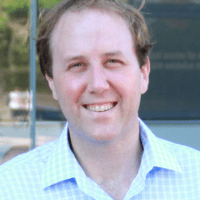
Jeremy Mills
Arizona State University
Protein design, fluorescent proteins, non-canonical amino acids, fluorogenic probes, protein-protein interactions, metalloproteins, enzyme engineering.
About:
This research focuses on designing proteins that incorporate fluorescent or fluorogenic non-canonical amino acids. The lab engineers proteins to serve as fluorescent reporters for protein-protein, protein-small molecule, and protein-metal interactions. Additional projects involve designing novel functional metalloproteins and enzymes.
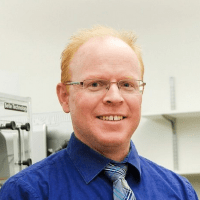
James Moody
Brigham Young University
Protein modeling, enzyme engineering, protein complexes, crystallization chaperones, protein polymers, structural enzymology, protein crystallization.
About:
This research applies protein modeling and engineering to understand enzymes and protein complexes, and to engineer new enzymes, protein polymers, and crystallization chaperones. The lab also uses structural enzymology to study enzyme mechanisms and develop tools to facilitate protein crystallization.
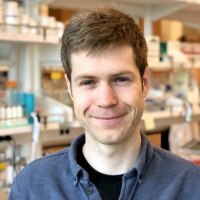
Christoffer Norn
Bioinnovation Institute Denmark
Protein design, protein binders, minibinders, membrane proteins, high-throughput screening, computational modeling, protein-protein interactions.
About:
This research focuses on designing protein-based binders (mini binders) that target membrane proteins. The lab uses computational methods and high-throughput screening to efficiently identify and characterize these designed protein binders.

Dror Noy
MIGAL - Galilee Research Institute
Protein design, photosynthesis, protein-cofactor complexes, computational modeling, minimal protein systems, energy conversion.
About:
This research applies protein design tools to construct minimal protein-cofactor complexes, inspired by natural photosynthetic systems. The lab focuses on modeling and engineering simplified protein complexes to better understand natural photosynthesis and to develop novel protein-based systems for solar energy conversion.

Gustav Oberdorfer
Graz University of Technology
De novo protein design, enzyme design, biomedical applications, biotechnology, computational modeling, protein engineering, structural biology.
About:
This research group focuses on de novo protein design, developing and broadening state-of-the-art methodologies for biomedical and biotechnological applications. Current projects include designing novel enzymes and proteins with specific geometries. The lab combines computational approaches with structural biology to expand the functional repertoire of engineered proteins.

Byung-Ha Oh
KAIST Korea
Computational protein design, antibody engineering, protein-protein interactions, protein binders, molecular modeling, therapeutic proteins.
About:
This research focuses on computational design of therapeutic proteins and protein binders. Projects include designing antibodies, creating novel proteins that target specific interactions, and enhancing the binding properties of existing proteins. The lab uses computational modeling to precisely engineer protein interactions and improve therapeutic effectiveness

Matt O'Meara
University of Michigan
Computational modeling, molecular simulations, deep neural networks, molecular interactions, chemical modeling, biochemical validation.
About:
This research group develops computational models to understand molecular and chemical interactions. The lab employs molecular simulations and deep neural networks to represent molecular behavior. Additionally, biochemical data is integrated to validate these computational predictions, bridging computational modeling and experimental observations.

Sergey Ovchinnikov
MIT
Protein evolution, statistical modeling, phylogenetics, genomics, protein structure prediction, metagenomics, conformational landscapes, protein-protein interactions, multicellularity.
About:
This research develops statistical models of protein evolution by integrating phylogenetic, genomic, structural, and functional data. The lab explicitly models protein conformational landscapes for structure prediction and design. It also mines metagenomic sequences to identify novel protein families, functions, and interactions, and investigates multicellularity evolution through structural comparisons.

Fabio Parmeggiani
University of Bristol, UK
Hybrid computational-experimental methods, protein design, repeat proteins, modular systems, nanomaterials, spatial control, cellular behavior.
About:
This research develops hybrid computational and experimental approaches to protein design, focusing on modular systems composed of designed repeat proteins. The lab explores spatial control of protein structures for applications ranging from nanomaterials to tools influencing and studying cellular behavior.

Brian Pierce
University of Maryland
Protein design, immune recognition, T cell receptors, antibodies, vaccine design, computational docking, Rosetta, ZAFFI, ZDOCK, immunotherapeutics.
About:
This research employs computational protein design and docking algorithms, including Rosetta, ZAFFI, and ZDOCK, to study immune recognition and therapeutics. The lab focuses on enhancing T cell receptor and antibody targeting of viral and tumor antigens, as well as improving vaccine design and prediction methods.

Vatsan Raman
University of Wisconsin-Madison
Computational biology, synthetic biology, protein engineering, high-throughput experiments, single-pot assays, mutational analysis, systems biology.
About:
This research combines computational and synthetic biology to engineer proteins and biological systems. The lab develops single-pot, high-throughput experimental approaches for large-scale mutational analysis, enabling comprehensive characterization of biomolecular systems through systematic, quantitative assays.

Cesar Ramirez-Sarmiento
Pontificia Universidad Catolica de Chile
Protein engineering, computational modeling, metamorphic proteins, PET hydrolysis, enzyme evolution, synthetic biology, oxygen carriers, photosynthetic microorganisms.
About:
This research employs experimental and computational strategies to study metamorphic proteins and bacterial enzymes capable of hydrolyzing PET plastics. The lab investigates protein evolution, stability, and design, and uses synthetic biology approaches to engineer photosynthetic microorganisms into oxygen carriers.

Barak Raveh
Hebrew University
Dynamic biological systems, quantitative biology, systems biology, computational modeling, biological interactions, data integration.
About:
This research focuses on understanding dynamic biological systems through quantitative modeling and analysis. The lab bridges large-scale experimental data with computational approaches to quantitatively characterize interactions within cells, tissues, and organisms, enhancing our understanding of complex biological behavior.

P. Douglas Renfrew
Flatiron Institute / Simons Foundation
Protein folding, heteropolymer design, exotic amino acids, peptide macrocycles, enzyme engineering, nanomaterials, computational modeling, quantum computing, deep learning.
About:
This research applies protein folding theory to design heteropolymers composed of exotic chemical building blocks beyond the canonical amino acids, including D-amino acids, β- and γ-amino acids, and peptoids. The lab develops computational software to rationally engineer peptide macrocycle drugs, industrial enzymes, and novel nanomaterials, leveraging advanced computational technologies such as quantum computing and deep neural networks.

Gabe Rocklin
Northwestern University
High-throughput protein design, computational modeling, protein biophysics, protein therapeutics, display selections, mass spectrometry proteomics, next-generation sequencing, protein stability, conformational dynamics.
About:
This research develops high-throughput methods for protein design and biophysics, focusing on protein therapeutics. The lab combines large-scale computational modeling with experimental approaches, including display selections, mass spectrometry proteomics, and next-generation sequencing, to study protein folding, stability, dynamics, and resistance to aggregation.

Torben Schiffner
Scripps Research Institute
Computational protein design, high-throughput screening, immunogens, epitope grafting, glycan masking, multimerization, vaccine development, pathogens.
About:
This research combines computational protein design with high-throughput experimental screening to develop next-generation vaccine immunogens. Techniques include antibody-antigen optimization, epitope grafting, glycan masking, and protein stabilization, targeting pathogens like Coronaviruses, Hepatitis C, and HIV.

Clara Schoeder
Leipzig University
Computational protein design, immunotherapeutics, Adeno-associated virus (AAV), chimeric antigen receptors (CARs), single-chain variable fragments (scFvs), vaccine design, epitope focusing, pharmacokinetics.
About:
This research focuses on computational protein design methods for developing novel immunotherapeutic drugs. The lab studies Adeno-associated virus (AAV) interactions, designs cellular therapeutics such as chimeric antigen receptors (CARs), optimizes antibody fragments (scFvs), and develops vaccine candidates through stabilization and epitope focusing.

Michael Shirts
University of Colorado Boulder
Nanoscale materials, biomimetic materials, foldamers, computational modeling, Rosetta, chemical design, molecular simulations.
About:
This group uses theory and computation to design nanoscale materials, focusing on biomimetic foldamers and molecular simulations. The lab develops computational tools within Rosetta for heteropolymer design, aiming for efficient and predictive exploration of chemical and structural space.
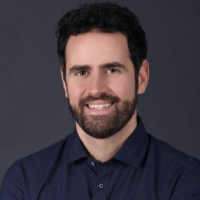
Nik Sgourakis
Childrens Hospital of Pennsylvania (CHOP)
Structural biology, NMR spectroscopy, X-ray crystallography, biophysics, biochemical techniques, computational modeling, protein interactions.
About:
The Sgourakis lab studies protein structures using NMR spectroscopy, X-ray crystallography, computational modeling, and biochemical techniques. The lab investigates molecular mechanisms underlying biological function, closely collaborating with researchers at CHOP and the University of Pennsylvania.

Justin Siegel
UC Davis
Computational enzyme design, enzyme catalysis, genetic methods, chemical methods, novel catalysts.
About:
This lab uses computational, genetic, and chemical methods to design novel enzyme catalysts. The research addresses modern challenges in food, energy, and health by developing tailored enzymes with new catalytic properties for practical applications.
Joanna Slusky
University of Kansas
Membrane proteins, computational protein design, protein characteristics, membrane protein design, protein-membrane interactions.
About:
The Slusky lab studies outer membrane proteins, identifying their common structural features and designing new membrane proteins for practical applications such as diagnostics, therapeutics, and environmental remediation.

Colin Smith
Wesleyan University
Protein structure, atomic-level mechanisms, second-shell interactions, structural propagation, protein conformational changes, therapeutic protein engineering, structural biology.
About:
The Smith Lab investigates atomic-level mechanisms underlying structural rearrangements in proteins, specifically how changes propagate from one region to another. The lab addresses questions of structural communication and how subtle rearrangements influence protein behavior and functionality.
Anastassia Vorobieva
VIB-VUB Belgium
Membrane proteins, transmembrane beta-barrels, computational protein design, nanopore engineering, protein stability, single-molecule sensing, beta-barrel vaccines.
About:
This lab focuses on de novo design of membrane proteins, specifically transmembrane beta-barrels. Research includes computational methods to create beta-barrels with novel properties and structures, as well as developing experimental validation approaches. Applications include engineered nanopores for single-molecule sensing and beta-barrel-based vaccines targeting Gram-negative bacteria.

Eva-Maria Strauch
Washington University of St. Louis
Protein engineering, viral proteins, structural design, oligo-synthesis, next-generation sequencing, immunogen design, protein chemistry.
About:
This research group studies viral surface proteins using structural design and high-throughput techniques to develop therapeutic and immunological interventions. The lab aims to understand viral protein chemistry and design novel immunogens targeting viral infections.

Bjorn Wallner
Linkoping University Sweden
Bioinformatics, molecular energy functions, protein-protein interactions, molecular sampling, machine learning.
About:
This research uses advanced bioinformatics, machine learning, and molecular energy-based sampling techniques for protein structure prediction and analysis of molecular interactions.
Chu Wang
Peking University
Protein docking, metal-binding proteins, chemoproteomics, bioinformatics, metabolic regulation, enzyme function, computational biology.
About:
This lab combines chemoproteomics, bioinformatics, and computational structural biology to discover functional enzyme sites modified by metabolites or drugs. The group investigates molecular mechanisms regulating enzyme functions and develops computational methods to predict protein-small molecule interactions.

Tim Whitehead
University of Colorado Boulder
Protein engineering, antibodies, molecular recognition, next-generation sequencing, enzyme specificity, plant synthetic biology, renewable biomass.
About:
This lab uses data-driven methods and next-generation sequencing to engineer proteins with tailored affinity, specificity, and stability. The group studies protein evolution, antibody-based vaccines, and synthetic biology for developing plant-based systems and biomass conversion technologies.

Vladimir Yarov-Yarovoy
UC Davis
Sodium channels, neuromodulation, epilepsy, chronic pain, drug design, electrophysiology, structural biology.
About:
This lab studies neuronal voltage-gated sodium channels to design novel subtype-selective drugs for treating epilepsy and chronic pain. The research involves electrophysiology, molecular biology, and structural approaches to understand channel modulation and improve therapeutic efficacy.
Joe Yesselman
University of Nebraska Lincoln
RNA structure, RNA design, nanomachines, RNA thermodynamics, predictive modeling, RNA energetics.
About:
This lab utilizes RNA's structural properties to design nanomachines for therapeutic, engineering, and basic science applications. Research focuses on developing RNA 3D design rules, creating novel RNA-based devices, and improving predictive models of RNA thermodynamics and energetics.

Andy Yeh
University of California, Santa Cruz
Luciferase, biosensor, enzyme design, luminescence imaging, molecular imaging, clinical diagnostics, drug discovery.
About:
This lab designs light-emitting proteins and develops biosensors for applications in drug discovery, clinical diagnostics, and molecular imaging. Research emphasizes luciferase-based enzymes and luminescent imaging technologies.

Birte Höcker
University of Bayreuth
Protein evolution, protein design, small molecule receptors, enzymes, biosensors, molecular machines, artificial motor proteins, small molecule binding.
About:
This lab designs small molecule receptors, enzymes, and artificial motor proteins. Research focuses on protein evolution, molecular machines, biosensors, and the principles underlying small molecule binding.
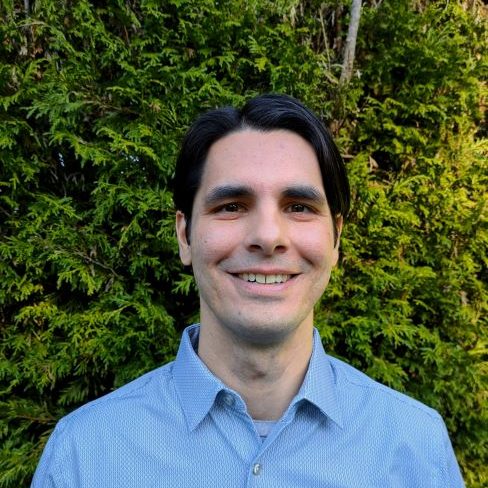
Cameron Glasscock
Rice University
Protein design, protein-nucleic acid interactions, synthetic biology, artificial intelligence, machine learning, high-throughput biochemistry, functional assays.
About:
This lab develops computational methods for predicting and designing protein-nucleic acid assemblies using physics-based modeling and AI/ML approaches. Research incorporates high-throughput biochemistry, molecular biology, and sequencing technologies, emphasizing advanced protein functional assays to support AI-driven protein design.
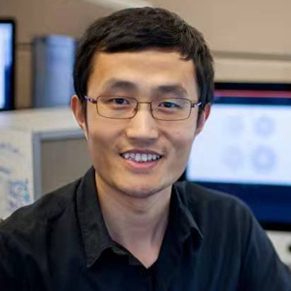
Chunfu Xu
National Institute of Biological Sciences
Protein design, protein-nucleic acid interactions, synthetic biology, artificial intelligence, machine learning, high-throughput biochemistry, functional assays.
About:
This lab develops computational protein design methods to engineer novel proteins, including fluorescent proteins, transmembrane proteins, and enzymes. The designed proteins serve as tools and devices in fundamental research, biotechnology, and medical applications.
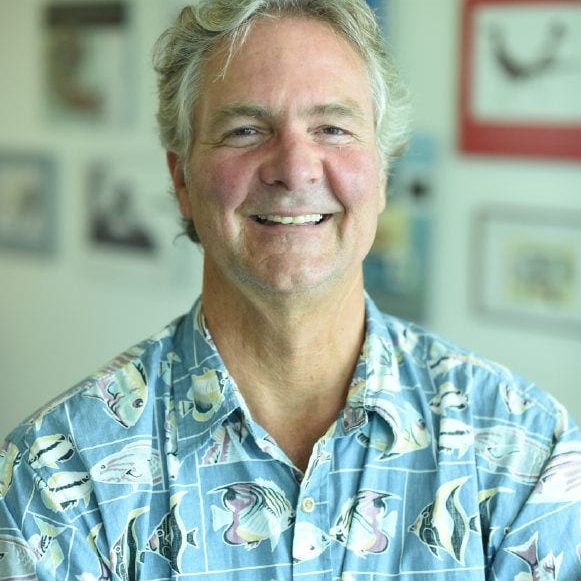
David Haussler
University of California, Santa Cruz
Genomics, bioinformatics, machine learning, statistical methods, genome assembly, UCSC Genome Browser, hidden Markov models, cancer biomarkers.
About:
David Haussler's research develops statistical and algorithmic methods to analyze molecular functions and evolution of the human genome. His work integrates comparative and high-throughput genomic data, employs machine learning techniques like hidden Markov models, and led to the development of the UCSC Genome Browser.
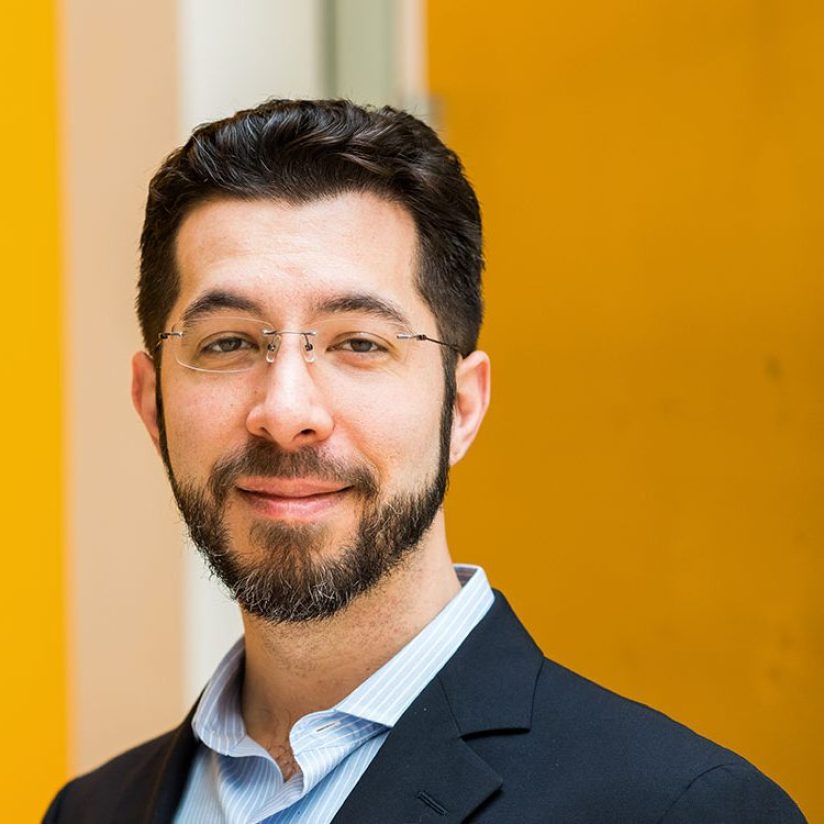
Ed Boyden
Massachusetts Institute of Technology
Neuroscience, brain mapping, expansion microscopy, optogenetics, synthetic biology, nanofabrication, neural dynamics, therapeutic strategies.
About:
This lab develops tools for mapping brain structure and function, including expansion microscopy, optogenetic methods, robotic directed evolution, and nanofabrication techniques. Research focuses on analyzing neural computations and developing therapeutic strategies for neurological and psychiatric disorders.
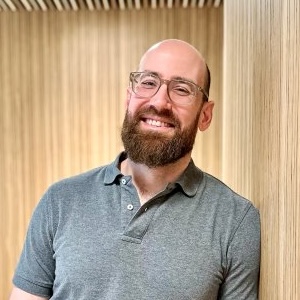
Florian Praetorius
Institute of Science and Technology Austria
Protein design, DNA origami, nucleic acids, deep learning, ProteinMPNN, Rosetta, biomolecular assemblies.
About:
The Praetorius lab develops computational design tools, including deep learning and physics-based methods, to engineer proteins and nucleic acids. They experimentally characterize de novo proteins and aim to create DNA-protein hybrid assemblies with novel functions for applications in biosensing, gene delivery, gene editing, and vaccine development.
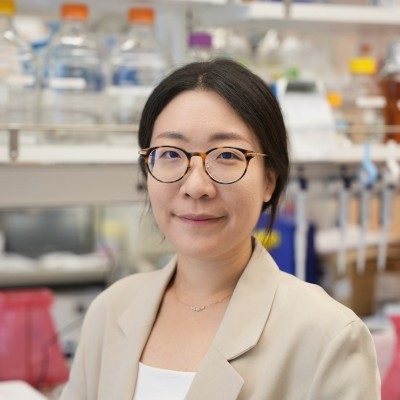
Gyu Rie Lee
Korea Advanced Institute of Science and Technology
Protein design, deep learning, small molecules, epigenetics, post-translational modifications.
About:
This lab develops AI-based methods for protein design, specifically targeting epigenetic processes and chemical modifications of peptides and nucleic acids. Research aims to create custom-designed protein tools and explore therapeutic applications focused on epigenetic mechanisms and cellular metabolism.
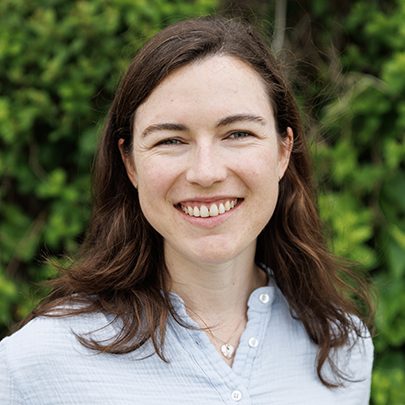
Hannah Wayment-Steele
University of Wisconsin-Madison
Biomolecular dynamics, evolution, deep learning, data science, NMR spectroscopy, millisecond-scale motions.
About:
This lab uses deep learning and NMR spectroscopy to study biomolecular dynamics at millisecond timescales. Their research seeks predictive understanding of molecular motions and explores their role in shaping biomolecular function and evolution.

Huong Kratochvil
University of North Carolina at Chapel Hill
Membrane protein design, functional protein design, molecular recognition, immune response.
About:
This research focuses on de novo protein design to test fundamental principles of molecular recognition, particularly in membrane transport and immune response. The lab seeks to engineer functional proteins to investigate structure-function relationships.

Jesper Pallesen
Indiana University
Cryo-electron microscopy (Cryo-EM), cancer, HIV, coronaviruses, SARS-CoV-2, MERS-CoV, filovirus, ebolavirus, structural biology.
About:
Jesper Pallesen’s research uses cryo-electron microscopy (cryo-EM) to determine atomic-resolution structures of flexible protein complexes involved in immune responses to pathogens, including HIV, influenza, and coronaviruses. The lab specializes in molecular dynamics simulations, protein biochemistry, and biophysics.

Jianyi Yang
Shandong University
Structure prediction, cryo-EM, artificial intelligence, trRosetta, trRosettaRNA, I-TASSER.
About:
This lab develops computational methods for predicting protein and RNA structures, contributing significantly to methods such as trRosetta, trRosettaRNA, and I-TASSER. Research incorporates cryo-EM data and AI techniques.

Jiayi Dou
ShanghaiTech University
De novo protein design, neuroscience, light-sensitive proteins, ion channels, membrane fusion, optogenetics.
About:
This lab designs de novo proteins, including light-responsive proteins, ion channels, and membrane fusion systems, to develop tools for neuroscience research. Using computational design and deep learning, the lab creates novel protein-based approaches to study and modulate brain activity.

Longxing Cao
Westlake University
Protein design, protein interfaces, protein switches, deep learning, synthetic biology, immunotherapy.
About:
This lab develops new methods for de novo protein design, focusing on therapeutics targeting tumor-specific markers and immune modulators. Research includes designing conformational switches responsive to environmental stimuli, and developing new scaffolds and sequences using deep learning techniques.
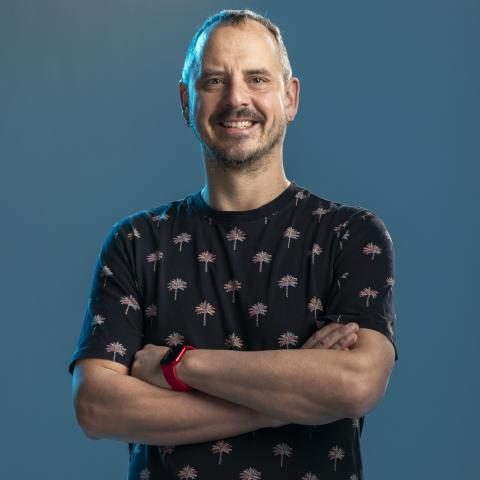
Lukasz Joachimiak
University of Texas Southwestern
Protein folding, amyloid, molecular recognition, chaperones, misfolding, computational methods, structural biology.
About:
This lab investigates protein folding and misfolding, specifically focusing on amyloid formation. They use structural, biochemical, cellular, and computational approaches to understand mechanisms underlying pathological and functional amyloids, aiming for therapeutic and diagnostic innovations.

Mihai Azoitei
Duke University
Vaccines, protein engineering, biosensors, influenza, HIV, coronaviruses, B-cell signaling.
About:
This research focuses on rational immunogen design using computational protein engineering (Rosetta) and high-throughput screening methods to develop vaccines against pathogens like HIV and influenza. The lab also studies how antigen biophysical properties affect B-cell activation and antibody production.
Nicholas Polizzi
Dana-Farber Cancer Institute
Ligand binding, molecular recognition, de novo protein design.
About:
This lab develops computational methods to design novel ligand-binding proteins. The research focuses specifically on designing proteins that recognize small molecules, aiming to understand fundamental principles of molecular recognition through de novo protein design.
Nobuyasu Koga
Institute for Molecular Science
De novo protein design, monomeric structures, oligomeric structures, novel protein topology.
About:
This lab explores fundamental principles of protein structure by computationally designing monomeric or oligomeric proteins from scratch. Experimental validation is used to understand novel protein topologies and structural properties.

Qian Cong
University of Texas Southwestern
Protein-protein interactions, evolution, genomics, artificial intelligence, bioinformatics, AlphaFold, RoseTTAFold.
About:
This lab mines large-scale data to predict protein-protein interactions and model protein complexes at a proteome-wide scale using evolutionary signals and advanced AI methods, including AlphaFold and RoseTTAFold. Research addresses biological insights relevant to systems such as cancer and microbial virulence.

Rituparna Samanta
University of South Florida
Membrane proteins, protein-protein interface, molecular simulation, field-based simulation, protein self-assembly.
About:
The Samanta lab develops computational models to study and engineer protein interactions with various environments, such as water, membranes, biopolymers, and synthetic materials. The lab applies molecular simulations and machine learning techniques to investigate biological and environmental challenges.

Robert Jefferson
King's College London
Membrane protein complexes, quaternary stability, receptor engineering, synthetic biology.
About:
This lab uses computational and experimental methods to study and design dynamic membrane receptor complexes. Research aims to understand membrane protein stability, function, and their transient interactions within cells.
Terra Sztain
University of Michigan
Computer-aided molecular design, molecular dynamics, machine learning, drug design.
About:
The Sztain lab combines dynamic experiments, molecular simulations, and machine learning for molecular design. Research involves designing proteins and small molecules for applications in human health and the environment.

Thomas Huber
Australian National University
Genetic code expansion, paramagnetic NMR, structural bioinformatics, protein design.
About:
This group develops computational tools to determine three-dimensional structures of proteins from sparse experimental data. Research includes genetic code expansion and paramagnetic NMR to understand protein-protein interactions and molecular dynamics.

Tobias Madl
Medical University of Graz
Integrative structural biology, metabolomics, NMR spectroscopy, disordered proteins, transcription factors, RNA-binding proteins, cancer, neurodegeneration, ageing.
About:
The Madl lab studies molecular mechanisms of signal transduction, intracellular transport, and phase separation, with a focus on disordered proteins. Using integrative structural biology methods, particularly NMR spectroscopy, the lab investigates key signaling pathways associated with cancer, neurodegeneration, and ageing.
Industry

Richard Bonneau
Prescient Design, Genentech
John Karanicolas
Head of Computational Drug Discovery, AbbVie

Dan Kulp
The Wistar Institute
Protein engineering, antigen design, antibody interactions, immunogen design, receptor interfaces, vaccine design, antigen stabilization.

William Schief
Vice President, Protein Design, Moderna

Deanne Sammond
Senior Principal Scientist, Pfizer

Erik Procko
Director of Discovery, Cyrus Biotechnology

Jim Havranek
Distinguished Scientist, Arzeda

Andrew Leaver-Fay
Molecular Modeling Lead, Genentech