Rosetta Commons Research Experience for Undergraduates (REU)
AI for Biomolecular Structure Prediction and Design
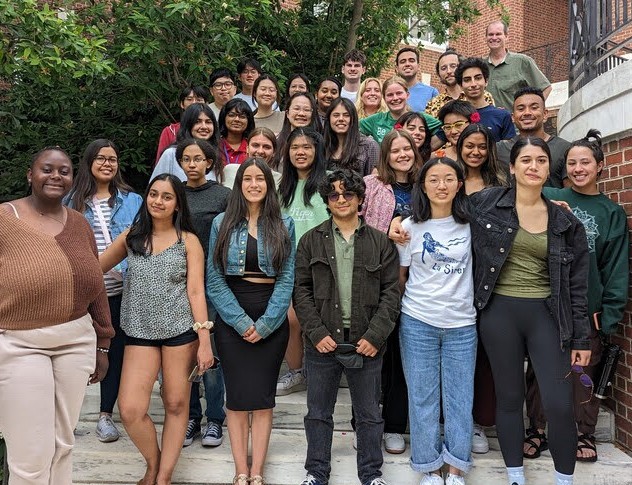
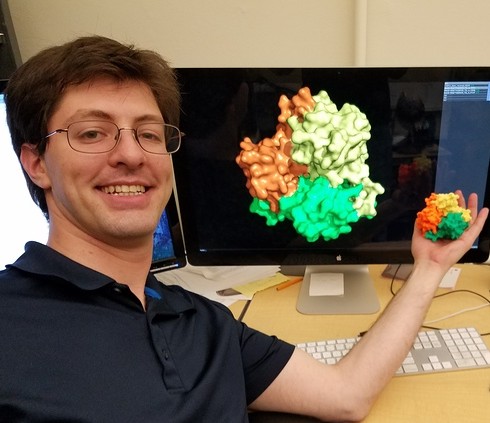
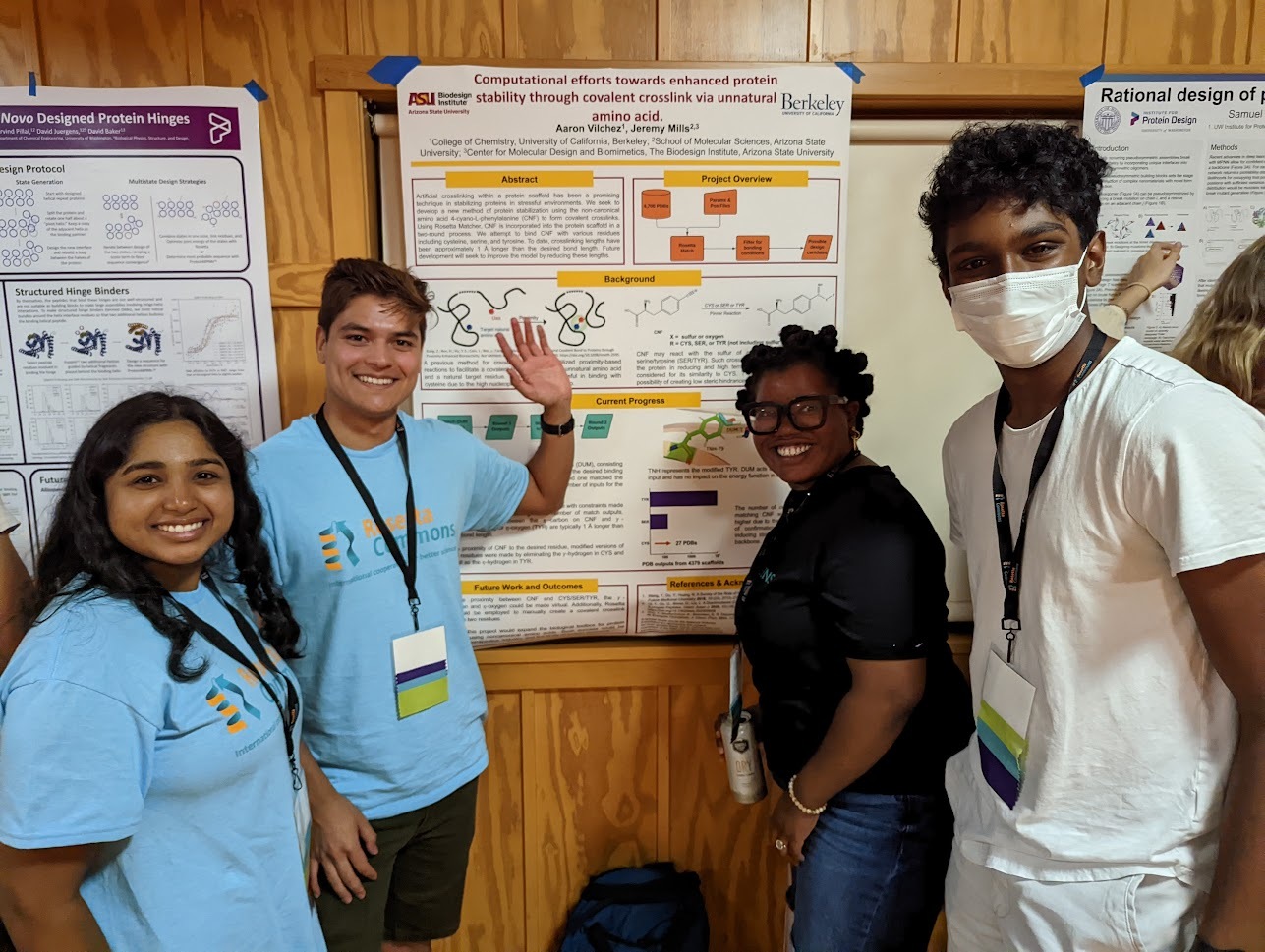
"I gained a great mentor in my PI as well as good relationships with the rest of the lab members. I also gained lots of computational skills and professional connections through the Rosetta Commons and my cohort."
"Before the program I was only planning to apply to master's programs in biotech and comp bio however the internship has made me change into applying towards a PhD program."
"I was very comfortable speaking and interacting with the Rosetta community, which was a personal gain for me because I struggle with aspects of verbal communication and often get clammed up/stay quiet."
"I really, really enjoyed working with my mentor. He provided an ideal level of structured independence, in which I was allowed to ask and pursue my own questions while still receiving feedback on how to go about answering them and being able to discuss potential biological interpretations or implications of the results in an open environment.
"I never considered doing research seriously previously, but I really enjoyed being in the lab environment so I decided it may be a worthwhile future path."
“The research experience helped me understand what I want to do in the future. Particularly meeting experts in the field during the conference was a major reason for this decision.”
“I feel more confident in my abilities to try out different fields of research and be successful in them. I also feel more secure in my abilities to communicate my science to others who are not as experienced as well as asking questions to those considered experts in the field.”
"I gained much more confidence in my technical computational skills and ability to work independently. As I was posted in Europe, I also took the opportunity to travel independently which increased my autonomy and self-confidence significantly. This was a life changing experience and am beyond grateful to participate!”
- Program Dates: June 1, 2026 - August 7, 2026
- The program starts with one week of Rosetta Code School (June 2 through June 6), where you will learn the inner details of the PyRosetta code and community coding environment, so you are fully prepared for the summer!
- 8 weeks of hands-on research in a molecular modeling and design laboratory, developing new algorithms and discovering new science.
- The summer will finish with a trip to the Rosetta Conference in the gorgeous Cascade Mountains of Washington State, where you will present your research in a poster and connect with Rosetta developers from around the world. The conference will be held from August 5 through August 8.
- This program is supported by NSF (Award 2244288). Interns will receive housing, paid travel expenses, a sustenance allowance and a $6,000 stipend.
Available Projects and Locations

"Citizen Science and Games for Biochemistry"
We are exploring how citizen science and crowdsourcing through video games can help biochemists with their work. To do this, we have developed the game Foldit, a multiplayer online game that allows players
without previous experience in biochemistry to work on protein folding and design problems. This project will focus on development of game-related aspects to understand and improve the player experience.
Potential projects include virtual reality, dynamic difficulty adjustment, and puzzle generation. Projects may incorporate artificial intelligence and machine learning.