
Science Updates
Two-phase computational pipeline yields high-affinity de novo BMP-2 binders for bone regeneration
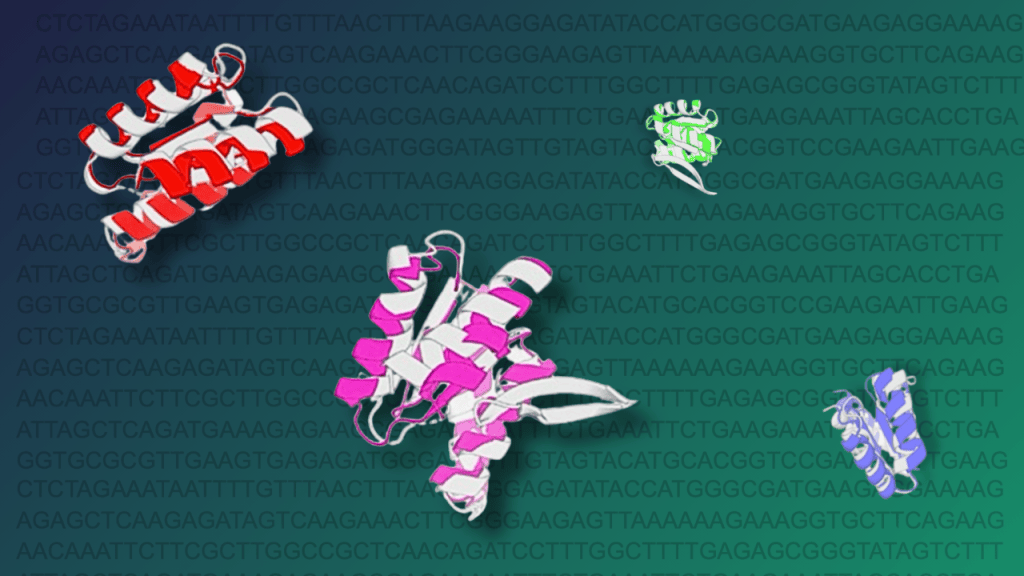
Key Takeaways By combining Rosetta-based motif grafting with deep-learning tools like RFdiffusion, ProteinMPNN, and AlphaFold2, a two-phase approach successfully generated functional binders where Rosetta-based docking and scoring alone failed. The lead binder, BB5523, demonstrated high affinity and specificity with an apparent KD of 2.07 nM for BMP-2, backed by mutational analysis confirming T42 as a…
Read MoreDe Novo Protein Design Overcomes Gene Editing Limits to Sustain CAR-T and TCR-T Cell Function

Key Takeaways De novo designed proteins bind and modulate entire target families simultaneously, bypassing the translational hurdles of multi-allele gene editing. The OUTLAST Regulator platform employs three distinct functional strategies, Designed Degraders, Transcription Factor Modulators, and Common Substrate Modulators, to rewire complex cell fate decisions. Pan-NR4A OUTLAST Regulators significantly enhance CAR-T and TCR-T cell functional…
Read MoreNew OpenBind-0 model and dataset benchmark co-folding tools in drug discovery
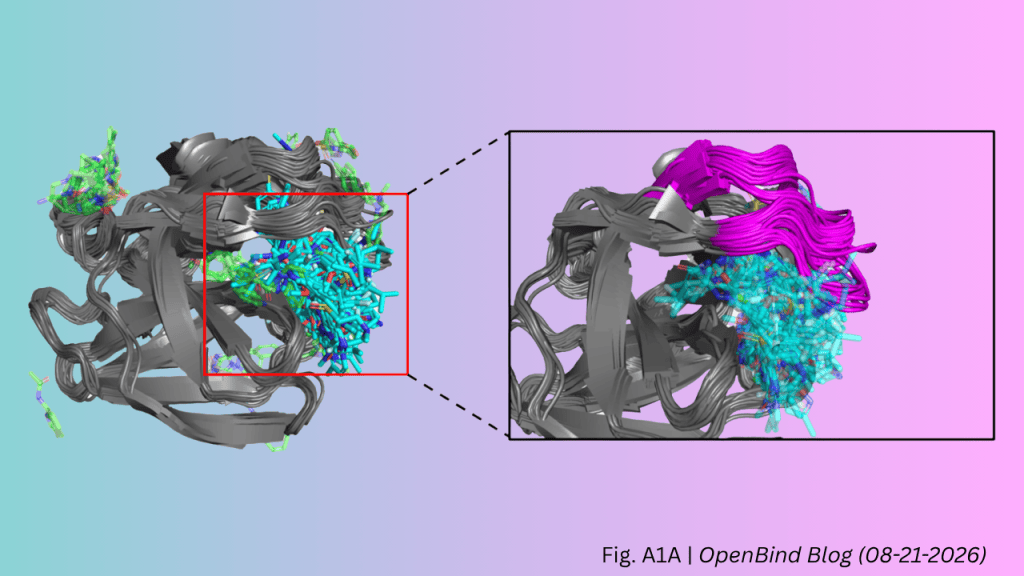
Key Takeaways OpenBind-0 (OB0) is a fully open-source co-folding model built on OpenFold3, trained on Protein Data Bank (PDB) data, and optimized for predicting protein–small-molecule complexes. Alongside the model, a discovery-relevant benchmark dataset of 717 new ligand-bound structures capturing fragment-to-hit progression across FatA and RdRp targets was released. Evaluation across targets shows wide performance variability,…
Read MoreIntegrating Mass Spectrometry Restraints into Rosetta and AlphaFold Modeling Pipelines
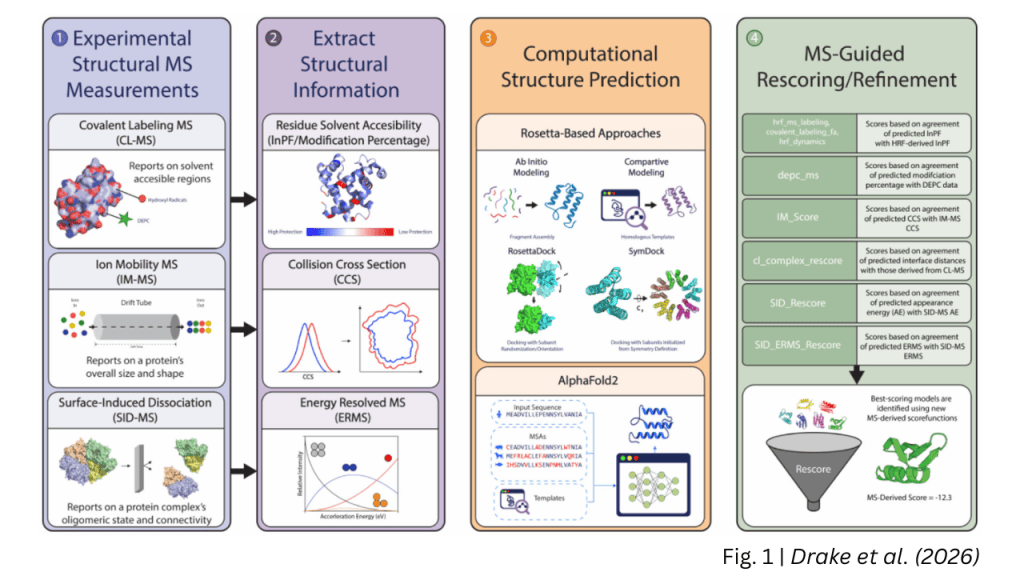
Key Takeaways Integrating mass spectrometry data with computational modeling platforms like Rosetta and AlphaFold2 improves the accuracy of protein structure and complex predictions. Experimental data from techniques such as covalent labeling, ion mobility, and surface-induced dissociation help distinguish native-like protein conformations from inaccurate computational outputs. A new set of tutorials and updated PyRosetta implementations make…
Read MoreDebating the balance between model openness and biosecurity guardrails

Key Takeaways The scientific community is currently debating how to balance open research with biosecurity protections when it comes to biological AI tools. Biological AI tools are primarily designed for drug discovery, treating illnesses, and other broader societal benefits. Advancements in AI, such as chatbots, could provide opportunities for even inexperienced bad actors to misuse…
Read MoreBiohub releases open source models that utilize evolution to design disease target binders
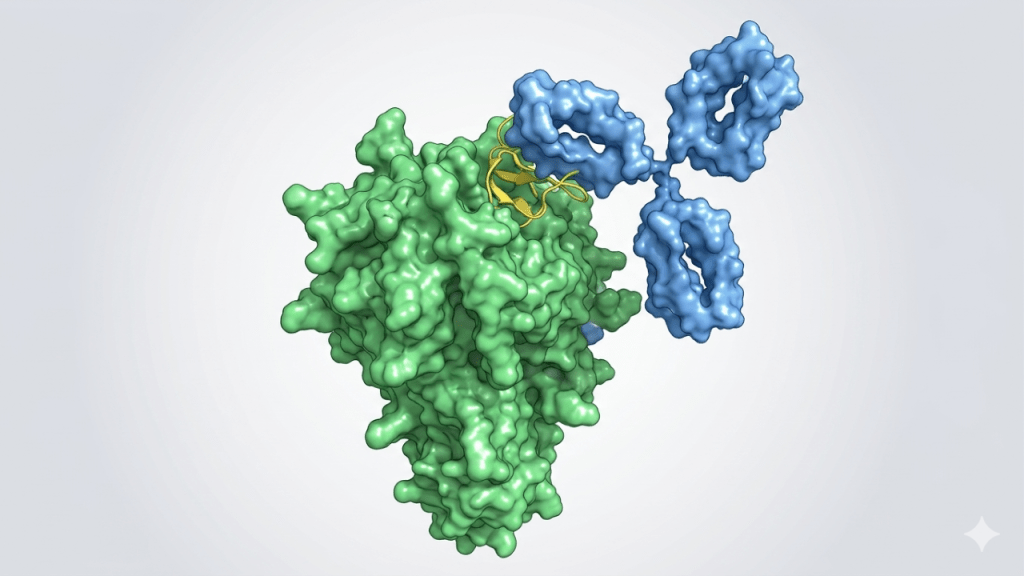
Key Takeaways Biohub has released open source ESM protein language models that use evolutionary data to streamline drug discovery and map functional protein spaces. ESMFold2 successfully generated lab-validated, high-affinity protein binders against five disease targets in cancer and immunology. The models were used to generate the ESM Atlas, which maps 6.8 billion sequences and 1.1…
Read MoreOpenBind releases initial structure and affinity dataset for structure-based machine learning
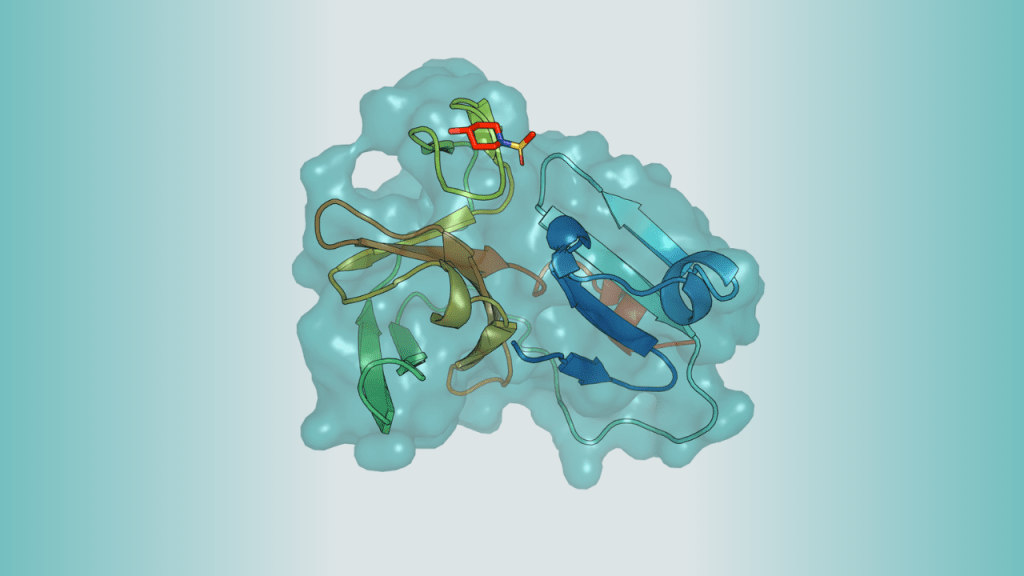
Key Takeaways OpenBind is generating dense, high-quality protein-ligand datasets that link structural data with binding measurements at a large scale. This release provides a realistic, structurally novel testbed linking high-resolution crystallographic data directly with biophysical binding affinity. The initial release targets the Enterovirus A71 (EV-A71) 2A protease (modeled via a closely related Coxsackievirus A16 surrogate…
Read MoreSpeed Up PyRosetta Development with Autocompletion and Type Checking
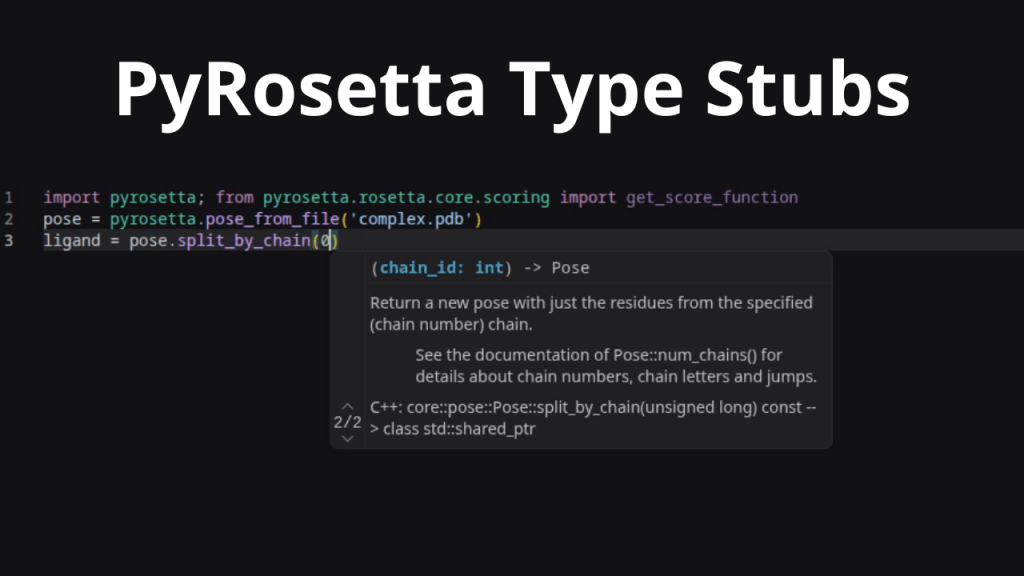
By Harrison Truscott PyRosetta, the Python interface to the Rosetta binary, now comes packaged with type stub files (.pyi). These files describe the module’s classes, methods, and variables, as well as function signatures, types of function parameters and return values, and descriptive docstrings. Type stub files can be used by the Integrated Development Environment (IDE)…
Read MoreA Zero-Shot Approach to de novo Metalloenzyme Design
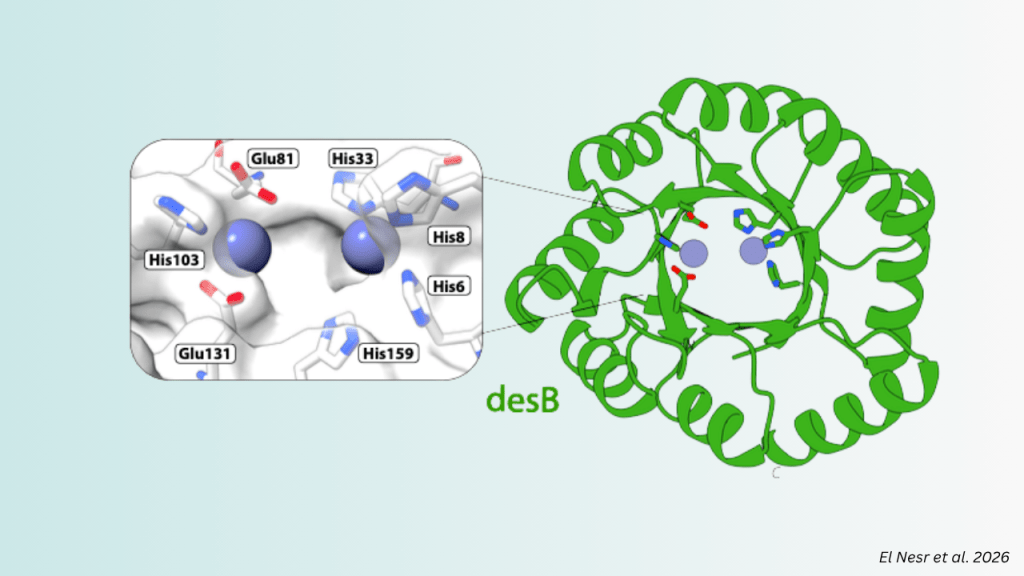
Key Takeaways: dEVA (design by EVolutionary Algorithm) is a framework that achieves the zero-shot design of a highly efficient metalloenzyme without any reliance on natural templates. Design objectives were tailored to the specific chemistry of metalloenzymes, in particular catalytic zinc sites, and from only three experimentally-tested designs found desB, the most efficient de novo designed…
Read MoreDeep Learning’s Impact on de novo Protein Design
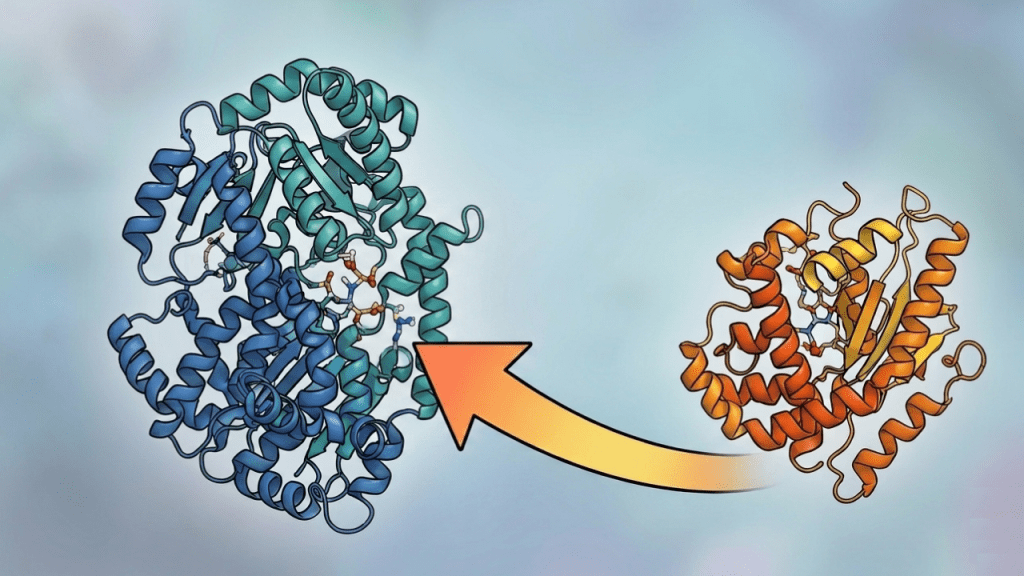
Key Takeaways: With advancements in AI, the field of protein engineering has shifted from template-based approaches to de novo designs with approaches including seed-based design, deep generative models, and binder hallucination. Design towards specific protein functions is the current frontier factoring in parameters including neosurfaces, conditional binding with biological stimuli, and dynamic modeling, linking deep…
Read More