
Community Newsletter
September 2026 - 24th Edition
Catch-Up With Jeff

Starting September 1, mini grant opportunities opened for our community. Previous Rosetta Commons supported mini grants have led to new collaborations through lab exchanges, travel experiences outside of RosettaCons for students, and seed funding for innovative and groundbreaking ideas. Recent funded projects have spanned protein-ligand binding code to rewire GPCR molecular recognition (Polizzi lab), streamlining NMR assignments for dynamics data (Wayment-Steele lab), and active learning tools (Sztain lab) Mini grants are designed to help develop shared tools for our community, and to support emerging scientists in training. The application deadline closes October 1, so please apply today if you haven’t yet and have an idea.
One priority topic for mini-grants this cycle is biosecurity. As advancements in AI continue, our community has a unique opportunity and responsibility to set and follow the guidelines needed for a safe AI environment for our research. Our community drove the 2024 community statement on the responsible development of AI in protein design, and there is more work to do today. As our workflows become integrated into servers and AI platforms, will there be safeguards against even the inadvertent design of dangerous molecules? What about when autonomous labs are able to close the design-test loop? I’d like to ask the community for their support in biosecurity work. Please discuss amongst your labs, and extend your discussion with colleagues to include ethics, philosophy, and security. Then, join our #biosecurity channel on the Rosetta Commons slack. I’d love to see additional leaders arise there to re-energize our task force.
Cheers,
Jeff
P.S. - No significant travel this month, but in my off-hours I have focused on coaching my son’s 14U soccer team, the Firestorms. It’s been very satisfying to work with kids outdoors as they are so excited to work and play together and gel into a team.
Latest News
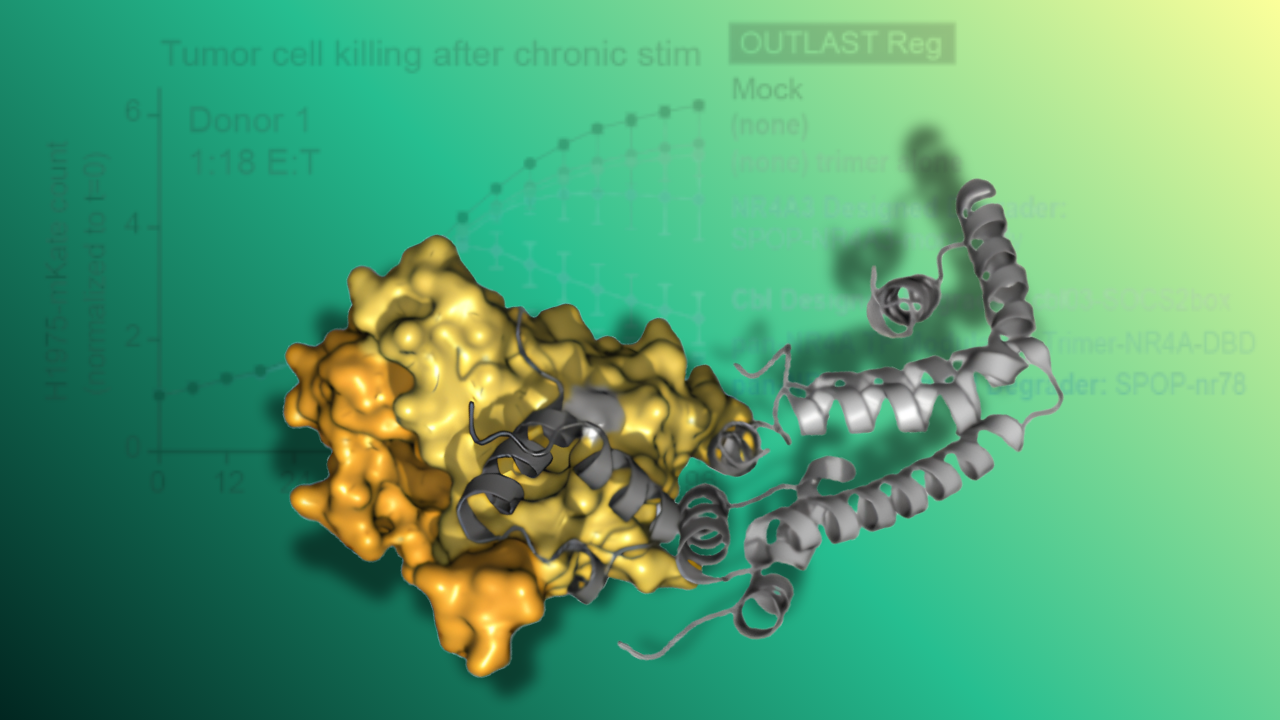
De Novo Protein Design Overcomes Gene Editing Limits to Sustain CAR-T and TCR-T Cell Function
Researchers have developed the OUTLAST Regulator platform which employs three distinct functional strategies—Designed Degraders, Transcription Factor Modulators, and Common Substrate Modulators—to rewire complex cell fate decisions.
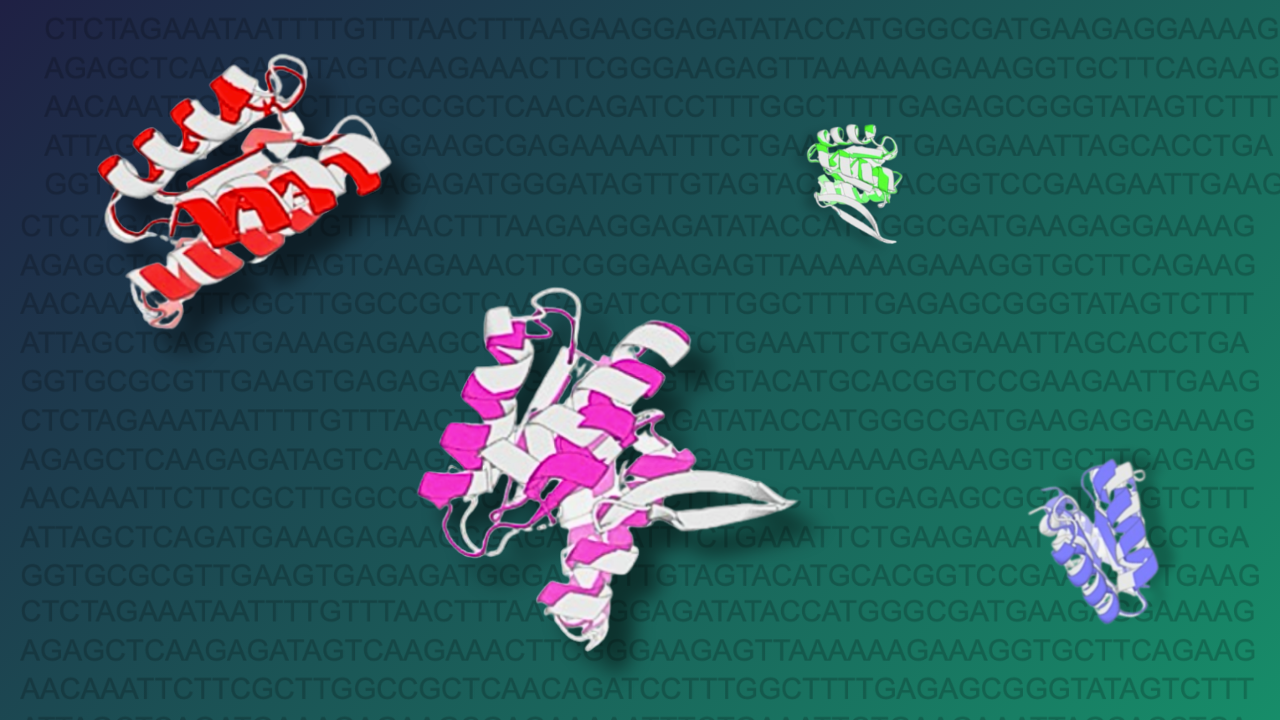
Two-phase computational pipeline yields high-affinity de novo BMP-2 binders for bone regeneration
Researchers developed a two-phase computational pipeline combining Rosetta-based computational modeling and design and deep learning to design high-affinity binders targeting the BMP-2 knuckle epitope.
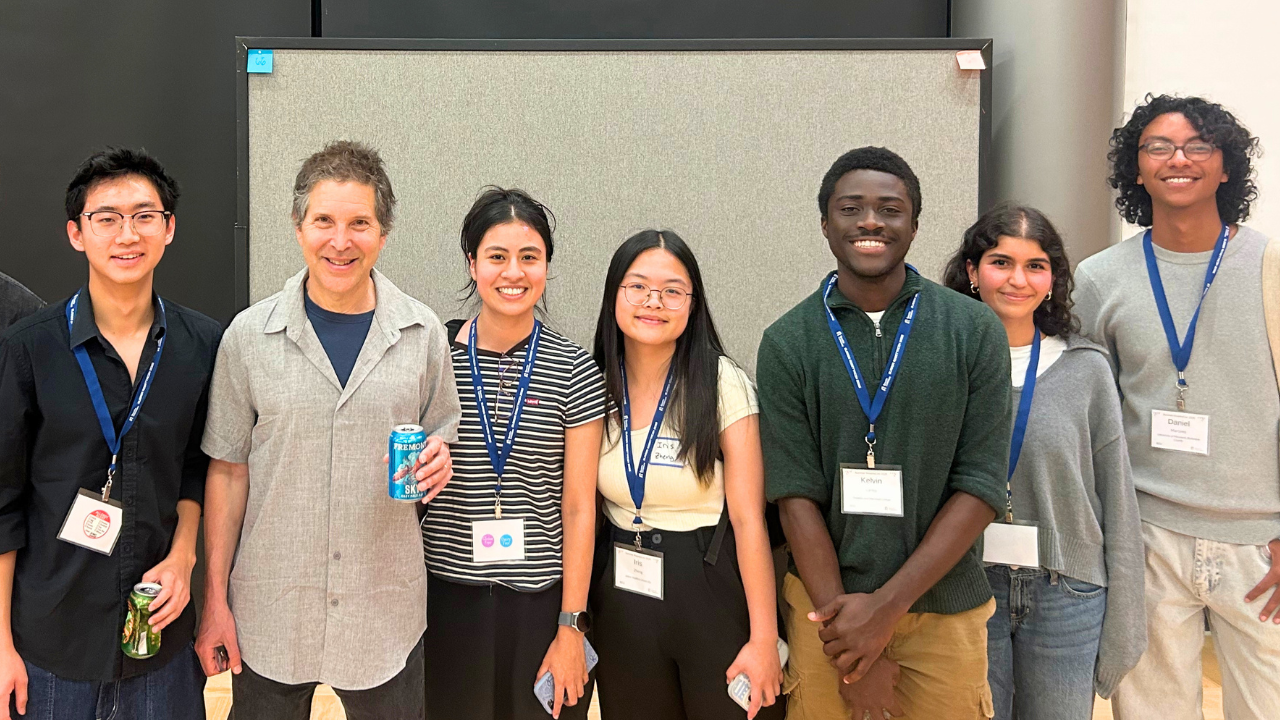
A Summer of Science: The 2026 REU Experience
Starting with a week-long Code School, followed by eight weeks conducting research, and ending by presenting at Summer RosettaCon, the Rosetta Commons REU program gives the next generation of biomolecular modeling and design researchers a hands-on head start. Check out this three-part series to learn about this cohort’s experiences.
Upcoming Events

Keystone Symposia - Winter RosettaCon 2027
Registration Opens Soon
Topic: Computational Design and Modeling of Biomolecules
Dates: March 29 - April 1, 2027
Location: La Fonda on the Plaza, Santa Fe, NM

European RosettaCon 2026
Virtual Registration Open
Topic: Crossing Boundaries in Protein Design
Dates: October 28 - 30, 2026
Location: Universidade Nova de Lisboa, Lisbon, Portugal

Summer RosettaCon 2026
Post-event Recap
Summer RosettaCon 2026 at the University of Washington was a week to remember, jammed-packed with fascinating science, meaningful networking, and unforgettable memories.
Membership Spotlight
Terra Sztain, Ph.D.
Assistant Professor
Sztain Lab, University of Michigan
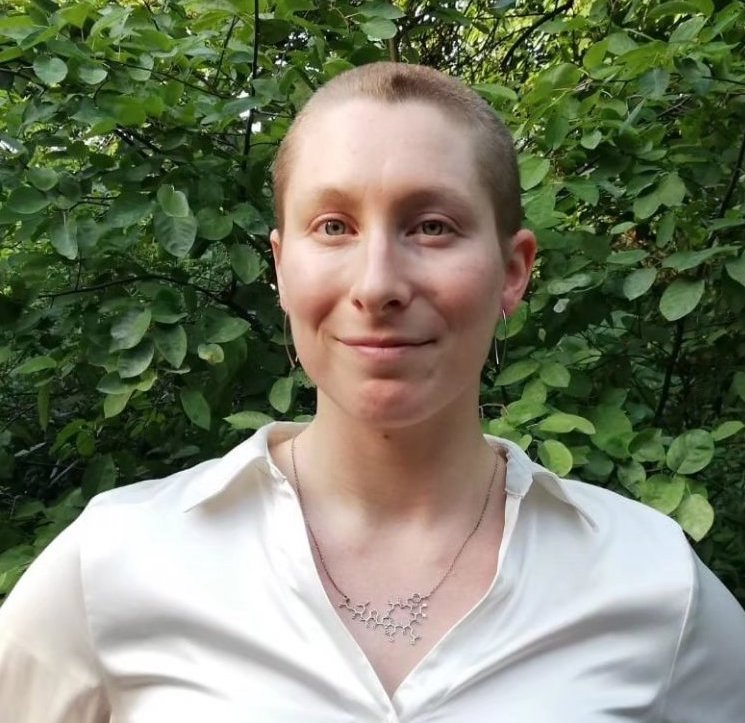
“Get insights from different perspectives, follow your passions, and don't be afraid to change course if it makes sense to you.”
Scientific Endeavors
Terra’s lab is interested in the physical principles underlying biological function. Specifically, they are interested in predicting the impact of amino acid substitutions on protein structure, dynamics, and function to understand evolution, guide protein engineering, and combat drug-resistance variants. Recently they developed Mavenets, tools for training neural networks on Multiplex Assays of Variant Effects, such as deep mutational scanning, to characterize and sample protein fitness landscapes.
About Terra
Terra received her B.S. in Biochemistry from University of California Los Angeles (UCLA), where she primarily focused on cancer epigenetics. Her studies were supported by the United Friends of the Children Scholars Program, a program that provides aid for former foster youth in L.A. County. She then received a Ph.D. in Biochemistry from the University of California San Diego (UCSD), where she was jointly advised by Michael Burkart and Andy McCammon. She studied proteins using molecular dynamics simulations and NMR spectroscopy. For her postdoctoral research, Terra moved to Freie Universität Berlin to join the Artificial Intelligence for the Sciences Group led by Frank Noé. She then started her own lab at the University of Michigan in Fall 2023. In her free time, she practices her aerial skills and other acrobatics, as well as does arts and crafts, goes for walks, and eats yummy vegan food.
Rosetta Community
The community has long been a source of inspiration and collaborative problem solving for Terra as she advances in her career.
"I've enjoyed interacting with so many creative and open scientists who are genuinely excited about answering challenging questions about the physical world.”
Announcements

Mini Grant Applications Due October 1
The Mini Grant Program offers funding to advance research, foster collaboration, and support professional development across the Rosetta community.
Funding opportunities:
- Research (Traditional) Mini Grants — Seed funding for innovative research projects.
- Lab Exchange Grants — Support collaboration, training, and knowledge-sharing between Rosetta labs.
- Travel Awards — Support attendance at external conferences to present research.
- Committee Mini Grants — Support activities that expand community engagement, education, and participation.
Rosetta Commons Jobs
Check out our jobs board for the latest postings.
Newsletter Archive
Click below to download the print version of the newsletter for this month or a previous month.